
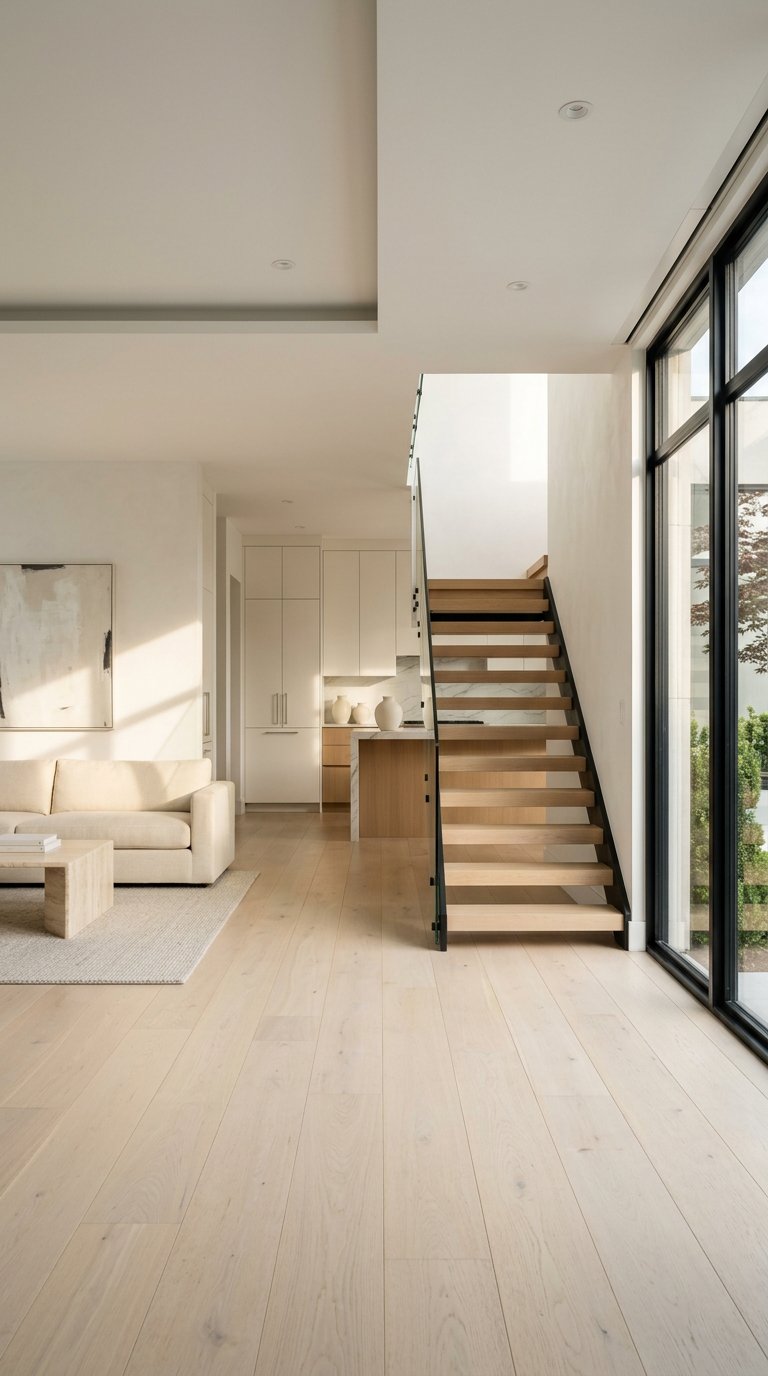
Is your Greenwich home getting the marketing it deserves, or just a checklist of basics? In a market where perception, privacy, and precision drive outcomes, a boutique strategy can make the difference between a good result and a great one. You want a plan that respects your time, protects your privacy, and reaches the exact buyers who will value your home most.
In this guide, you’ll see how a white-glove marketing plan is built for Greenwich, what each element costs in typical national ranges, and the questions to ask when you hire a listing agent. You’ll also get a practical checklist you can use to compare proposals side by side. Let’s dive in.
Why boutique marketing matters in Greenwich
Greenwich homes sit in a sophisticated, multi-tiered market. According to the Greenwich Association of REALTORS year-end report, the single-family median sale price reached 3,100,000 dollars in Q4 2025, up roughly 10.7 percent from Q4 2024. The 2025 year-end median was 3,150,000 dollars with average days on market near 70 days. That price point and timeline reward thoughtful presentation.
At the very high end, a few ultra-luxury sales can skew averages. In November 2025, a Mead Point waterfront property reportedly closed around 40 million dollars, a reminder that unique estates require their own strategy and comp set. You can read about that sale in CT Insider’s coverage.
Neighborhood tiers also vary widely. Waterfront and village pockets like Old Greenwich, Riverside, Indian Harbor, and Mead Point can range from 2 million to 40 million dollars or more depending on lot, water access, and estate scale. Central and commuter-oriented areas like Cos Cob and central Greenwich often span 1.5 million to 5 million dollars, while backcountry and large estate parcels can run into the tens of millions. Always anchor expectations in recent, hyper-local comps.
Build your white-glove plan: five pillars
Pre-list preparation: repairs and staging
The process starts with a structured walkthrough. Your agent should produce a written plan that prioritizes repairs, decluttering, deep cleaning, and a staging scope tailored to your property and target buyer. Schedule photography and video after staging so you only capture once.
Why it matters: The National Association of REALTORS reports that staging can reduce time on market and, in many transactions, contribute to a 1 to 10 percent uplift in offers. See highlights in NAR’s 2025 staging report.
Costs to expect: National guidance from HomeAdvisor places staging around 1,500 to 2,000 dollars on average for partial or initial services, with luxury or full-home staging often priced as a percentage of list price. Larger, vacant homes can run into multiple thousands to tens of thousands depending on scope and monthly furniture rental. Review the ranges and variables in HomeAdvisor’s staging cost guide. Always request local vendor quotes for accuracy.
What to ask your agent:
- Will you coordinate and supervise vendors, and provide an itemized staging plan with timing and costs?
- Do you have examples of Greenwich homes staged under your direction with before-and-after visuals?
- Who pays for staging, and are there financing options if needed?
Hero photography and aerials
High-resolution HDR stills, select twilight images, and aerials where appropriate are the foundation of your campaign. Buyers rely on visuals to decide whether to tour. NAR’s research confirms that photos, floor plans, and virtual tours rank among the most useful listing features for buyers. See buyer behavior highlights from NAR Research & Statistics.
Costs to expect: For national context, standard professional photo packages often range from 200 to 600 dollars, with drone or twilight add-ons increasing the fee. Estate-level shoots with complex grounds, multiple vantage points, and architectural retouching can exceed 1,000 to 2,500 dollars. Review benchmarks in HomeJab’s pricing guide. Ask for a vendor portfolio before you commit.
What to require:
- A defined shot list and the number of final retouched images.
- A plan for twilight exteriors and key architectural details.
- Usage rights in writing and file formats sized for MLS and premium portals.
Immersive assets: floor plans, 3D tours, and a property website
For out-of-town and international buyers, immersive tools are essential. Expect an interactive floor plan and a 3D tour such as Matterport, embedded on a single-property website that houses your photos, video, specifications, and neighborhood context.
Why it matters: Virtual tours and floor plans help buyers assess fit quickly and increase engagement online. See practical adoption guidance in NAR Magazine’s virtual tour playbook and buyer preference insights via NAR Research & Statistics.
Costs to expect: Packages that include a 3D tour and floor plan commonly range from 100 to 700 dollars depending on home size and provider. Bundled photo-plus-tour options are often 300 to 900 dollars. See ranges in HomeJab’s guide.
What to clarify:
- Who hosts the tour and website, and how long links remain active.
- An unbranded version for MLS syndication.
Video storytelling
A short cinematic film can showcase lifestyle, context, and the narrative of your home far better than a feature list. For luxury listings, expect a 60 to 90 second highlight film, a longer walkthrough for agent review, and short vertical edits for social channels.
Costs to expect: Basic walkthrough videos can start in the 200 to 600 dollar range. Mid-level cinematic packages with drone, color grading, and licensed music commonly run 800 to 2,500 dollars or more based on production values. See detailed variables in this industry video cost analysis.
What to request:
- A clear storyboard and shot list aligned to target buyers.
- Rights to repurpose clips across platforms.
- Quick turnaround so you can launch on schedule.
Distribution and buyer targeting
Boutique marketing is not one-size-fits-all. For Greenwich, distribution should be multi-channel and curated:
- MLS entry with optimized visual assets and full syndication.
- Geo-targeted digital campaigns aimed at feeder markets like Manhattan, Westchester, and northern New Jersey, plus search and display based on buyer intent.
- Email marketing to qualified buyer lists and past client databases.
- Broker-to-broker outreach, including reverse prospecting, private previews, and a well-run broker open.
- Thoughtful PR outreach and premium portal placement where available for suitable luxury properties.
Ask for a written media plan with audience definitions, creative samples, budget ranges, and reporting cadence. The goal is focused reach to the right buyers, not generic impressions.
Greenwich showings and privacy
Curated showings that respect your routine
In the luxury tier, every showing should be intentional. Your agent should pre-screen buyers for qualification, provide a single point of contact for logistics, and schedule narrow windows that respect your household and staff. For estate properties, document gate and access protocols in advance.
Private exclusive versus full-market rollout
Some sellers prefer a brief private period to manage privacy, test pricing, and line up qualified interest. Others go directly to full-market exposure to attract the widest pool. Either path should be compliant with MLS and NAR rules and clearly documented in your listing agreement. Ask how privacy needs will be balanced with achieving your price target.
Confirm privacy details in writing
- Photo and video rights, including what may be reused after closing.
- Open house policy versus showings by appointment only.
- Key and alarm handling plus vendor or staff access.
- Proof-of-funds or pre-approval requirements before showings.
What great looks like: a sample timeline
- Days 1 to 3: Strategy meeting, pricing review, repair and staging plan, vendor scheduling.
- Days 4 to 10: Repairs, decluttering, deep clean, staging installation.
- Days 11 to 13: Photography, twilight exteriors, 3D tour, and video.
- Days 14 to 16: Build single-property website, finalize copy, launch digital creative.
- Days 17 to 21: Go live on MLS, broker preview, first wave of targeted ads and PR outreach.
Pre-list preparation can vary from 7 to 21 days based on scope. A realistic schedule prevents re-shoots and rushed assets, which protects your budget and brand. For staging timelines and factors that affect duration, review national guidance in HomeAdvisor’s overview.
Budget ranges and ROI signals
Every property is unique, but these national ranges help you frame the plan. Always request local vendor quotes for Greenwich.
- Staging, occupied partial: 1,500 to 4,000 dollars for the first month. Full-home or luxury vacant staging with furniture rental can range from 3,000 to 50,000 dollars or more depending on scale. Source: HomeAdvisor.
- Photography package: 250 to 1,200 dollars for HDR stills with potential twilight and drone add-ons. Estate shoots with advanced retouching may exceed this. Source: HomeJab.
- 3D tour and floor plan: 100 to 700 dollars depending on provider and square footage. Source: HomeJab.
- Listing video: 200 to 2,500 dollars or more based on cinematic level and add-ons. Source: Autoreel industry analysis.
- Paid digital media: 1,000 to 20,000 dollars or more in ad spend depending on objectives, geography, and campaign length. Boutique, national pushes for 5 million dollar-plus assets often invest at the higher end.
Signals you are on track:
- Staging plan is itemized with goals for each room and a defined install period.
- Media assets are delivered on a schedule with proofs for review.
- Distribution includes feeder-market targeting and broker outreach, not just a portal upload.
- Reporting shows impressions, click-through rates, showing count, and buyer feedback weekly.
Agent interview checklist
Use this to compare boutique proposals line by line.
Core deliverables to insist on:
- Written pre-list plan with repairs, staging scope, and a week-by-week timeline.
- Professional photography with twilight and aerials where appropriate, plus a portfolio of recent Greenwich work and usage rights in writing. See photo scope and pricing context in HomeJab’s guide.
- 3D tour with interactive floor plan and a single-property website. For virtual tour best practices, review NAR’s playbook.
- Cinematic highlight video plus short social edits. See budget variables in this video cost analysis.
- Targeted digital advertising plan with defined audiences, feeder zip codes, budget range, and KPIs.
- Broker-to-broker outreach with a list of target agents and a broker preview schedule.
- PR and premium portal strategy when suitable for the price tier.
- Weekly reporting on MLS views, portal impressions, ad metrics, showings, and feedback.
Questions to ask every candidate:
- Show me three Greenwich listings you marketed in the last 18 months that match my price band and asset type. What was the marketing spend and result?
- Who are your media vendors? May I see sample photos, 3D tours, and videos you commissioned?
- Will you provide a written timeline and itemized budget for staging, media, and paid distribution?
- How will you screen and schedule showings to protect privacy while maximizing qualified access?
- If we use a private period, how will you balance confidentiality with eventual market exposure in line with MLS and NAR rules?
- What protections are in our agreement if deliverables are not executed on time?
How Kate coordinates it for you
You should not have to manage a dozen vendors or guess at timing. With more than two decades in Fairfield County and a background in economics, marketing, and finance, Kate designs a plan that is analytical and hands-on. Expect coordinated staging, professional media, data-informed pricing, and focused outreach to the right buyers across the Gold Coast and Manhattan feeder markets. You receive clear timelines, steady reporting, and a calm, private process from valuation through closing.
Ready to see how a boutique plan would look for your home? Request a confidential consultation with Kate Cacciatore. Request a Confidential Home Valuation.
FAQs
What is a boutique marketing plan for Greenwich sellers?
- A boutique plan is a tailored, white-glove strategy that combines staging, professional media, immersive tours, targeted digital reach, broker networking, and curated showings to maximize value and protect privacy in Greenwich’s luxury market.
How much should I budget for staging and media on a luxury listing?
- National ranges suggest 1,500 to 4,000 dollars for partial staging and 3,000 to 50,000 dollars or more for full-home luxury staging, plus 250 to 1,200 dollars for photography, 100 to 700 dollars for 3D tours and floor plans, and 200 to 2,500 dollars or more for video. Always get local quotes.
Do staging and professional visuals really improve results?
- Yes. NAR reports that staging can reduce time on market and contribute to higher offers in many transactions, and buyers consistently rate photos, floor plans, and virtual tours among the most useful listing features.
Should I consider a private exclusive period before going live?
- It can help manage privacy and line up qualified interest, but it also limits exposure. Many sellers use a short, curated private window followed by full-market launch. Ask your agent how the plan complies with MLS and NAR rules and how it supports your price goal.
How long does pre-list preparation usually take in Greenwich?
- Most sellers can expect 7 to 21 days from initial walkthrough to finished media, depending on repair scope and staging complexity. Building in time for quality control prevents re-shoots and rushed launches.
What reporting should I receive once my home is live?
- You should receive weekly updates on MLS views, portal impressions, ad performance, showing volume, and buyer feedback, plus clear next steps based on the data.