
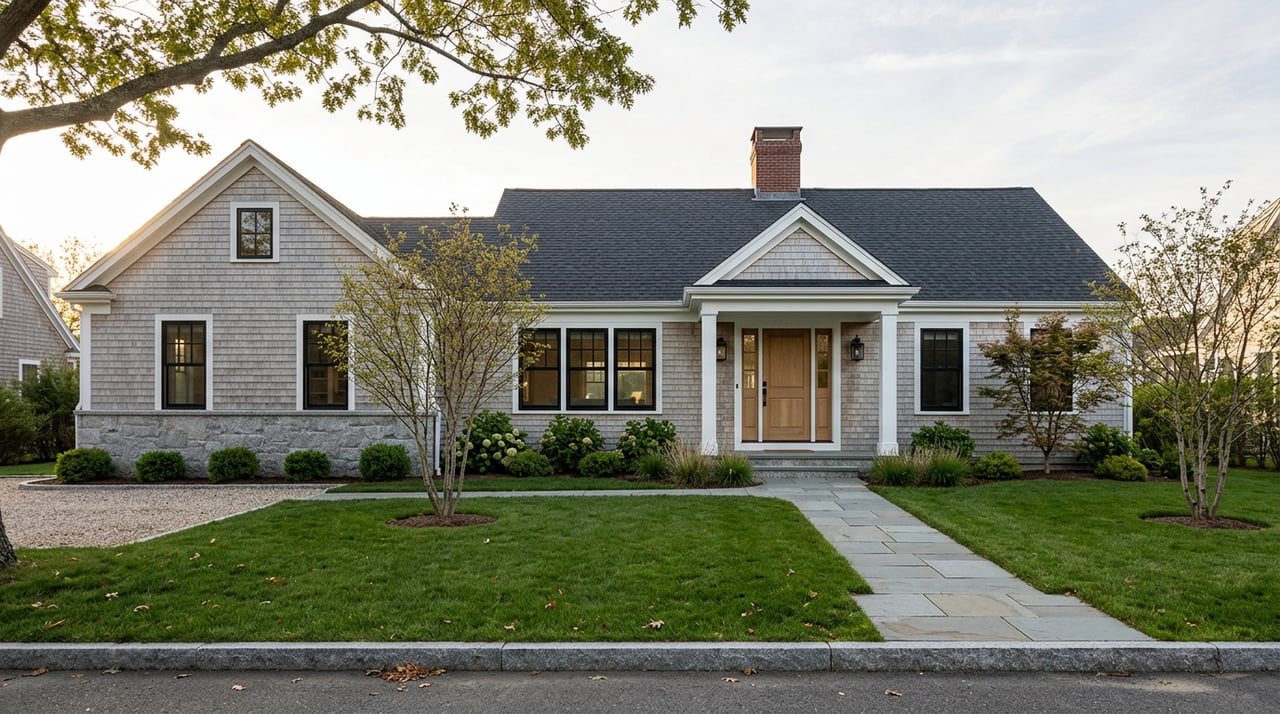
What if the rent you send to Manhattan each month could become a front porch, a yard, and a quick train ride to the city instead? If you’re weighing that move, you’re not alone. Many NYC professionals are choosing Norwalk for its coastal energy, solid housing options, and commuter access. In this guide, you’ll see exactly how to go from renter to homeowner with clear steps, real costs, and smart shortcuts tailored to Connecticut. Let’s dive in.
Norwalk market at a glance
Norwalk offers a wide range of homes, from walkable condo living to coastal single-family streets. Recent market snapshots show a median sale price in the mid-600s, with neighborhood differences that matter. Waterfront pockets and historic enclaves often trade higher.
- Expect a working price band around 550,000 to 900,000 for many options in Norwalk.
- Waterfront, SoNo-adjacent, and Rowayton properties can exceed that range.
- Inventory can be tight. Come prepared with a strong pre-approval and a plan to move quickly on the right home.
Choose your neighborhood and commute
Your daily door-to-door matters. Norwalk has multiple Metro-North stations, and train choice affects total time more than most people expect.
South Norwalk (SoNo)
Walkable blocks, restaurants, and a direct connection to the main South Norwalk station. If you value an easy first and last mile to the train and an active scene after work, SoNo often fits.
Rowayton
A coastal village setting with single-family homes and a local train station. It blends small-town character with rail access to Grand Central.
East Norwalk
Residential streets near beaches and marinas with quick access to I-95 and the East Norwalk station. Check parking updates and construction notices early if you plan to drive to the train.
Cranbury
Quieter residential pockets, larger lots, and a more suburban feel. A good match if storage, yard space, and privacy top your list.
Silvermine
A historic area that spans parts of Norwalk, New Canaan, and Wilton. You’ll find wooded lots and homes with character, with prices that vary by street and setting.
Merritt 7 / Route 7 corridor
Convenient for drivers with newer development and highway access. Fewer walkable amenities, but strong park-and-ride appeal.
Train times and fares
- Typical train time to Grand Central from Norwalk stations often falls in the 60 to 75 minute range depending on local versus express stops. Review the official New Haven Line schedule and test a live commute at your normal hour.
- Monthly ticket structures can change. Check the MTA’s current fare guidance and plan for station parking as needed. For example, East Norwalk has posted overnight parking adjustments during Walk Bridge work; see the city’s notice on East Norwalk station parking limits.
Build a realistic monthly budget
Owning a home replaces rent with several recurring costs. Add these up for a true, apples-to-apples comparison.
- Mortgage principal and interest
- Property taxes
- Homeowner’s insurance (and flood insurance if required)
- HOA or condo dues, if any
- Utilities and internet
- Routine maintenance and reserves
- Commuting and station parking where applicable
Property taxes: how they are calculated
Norwalk calculates property taxes by applying the mill rate to the assessed value. Assessments have historically been set at a percentage of market value after revaluation. The city’s financial disclosures explain this framework in detail. See the City of Norwalk 2025 Official Statement for assessment and tax language.
- Assessed value: historically 70 percent of market value after revaluation.
- Mill rate: set annually by the city and can differ by taxing district.
Illustrative example only: On a hypothetical 700,000 purchase, a 70 percent assessment would be 490,000. If a mill rate of about 23.5445 applied, estimated annual tax would be roughly 11,537. Always confirm the current mill rate and any phase-in with Norwalk before you finalize your budget.
Buyer closing costs in Connecticut
Plan for typical buyer closing costs of about 1.5 to 2.5 percent of the purchase price. This range covers title insurance, attorney and settlement fees, recording, and prepaids like insurance and property tax escrows. For a helpful overview of Connecticut closing items, review this CT closing cost guide.
Financing and assistance you can use
Connecticut offers programs that can lower your upfront cash need if you qualify.
- CHFA Down Payment Assistance and related first-time buyer options. These programs require a CHFA first mortgage and have income and eligibility rules. Funding levels can change, so confirm availability with a CHFA-approved lender and start early. Explore the CHFA Down Payment Assistance Program.
- Norwalk Housing Authority HCV Homeownership. If you have a Housing Choice Voucher, the local Housing Authority outlines pathways to purchase. Review the HCV Homeownership guidelines.
Tip: Ask lenders for a written pre-approval that matches your program choice. A clean, complete file helps you move fast when the right home appears.
Your buying timeline in Connecticut
Connecticut is an attorney state, and most buyers and sellers are represented by counsel. Here is a typical financed path.
1) Pre-approval (days 0 to 7)
Secure a written pre-approval, including CHFA if relevant. Confirm your target price, monthly budget, and cash to close.
2) Offer to attorney review (around 3 days)
Once your offer is accepted and the contract is signed, attorneys commonly review terms and propose changes during a short window. Your agent and attorney coordinate next steps and dates.
3) Inspections and contingencies (days 3 to 14)
Book a general home inspection immediately. Add tests based on the home: radon, water, sewer or septic scope, and lead paint evaluation for older properties. Near the coast, request an elevation certificate and a flood insurance quote early.
4) Appraisal, underwriting, and title work (days 7 to 30+)
Your lender orders the appraisal. Your attorney requests a title search and municipal lien checks. Financed closings often land 30 to 60 days from contract depending on appraisal timing, HOA document delivery, and title clearance.
5) Closing day
Closings are coordinated by your attorney or a title company with attorney involvement. The deed is recorded, funds disburse, and you receive keys.
Inspections, flood, and title checks that matter
A quick-moving market should not mean skipping critical diligence. Keep these on your checklist.
- General home inspection that covers structure, roof, and mechanicals.
- Sewer or septic evaluation where applicable.
- Radon testing, which is a common add-on in Connecticut.
- Foundation review. Parts of Connecticut have experienced concrete issues related to pyrrhotite. Read the CFSIC background on crumbling foundations, and ask sellers for any documentation.
- Flood risk and insurance. Many Sound-adjacent homes are in FEMA flood zones. The city references FEMA FIRM maps in coastal approvals. Review this example of a coastal application referencing FEMA mapping and request an elevation certificate and a firm flood-insurance quote before you waive contingencies.
- Title and municipal items. Watch for unpaid assessments, HOA estoppels for condos, and Norwalk’s revaluation phase-in mechanics, which can affect tax bills.
Tour and offer like a pro
You can compete without chaos. Use a simple system that respects your time.
- Get fully pre-approved, not just pre-qualified.
- Block showings in tight windows and bring a prioritized checklist: commute, layout for work-from-home, storage, yard, and parking.
- Do a live “door-to-door” test. Time the walk or drive to the station and compare express versus local trains using the New Haven Line schedule. Express options can noticeably trim minutes off your ride.
- Move fast but verify. Keep inspection and appraisal protections unless you accept the risk. Use shorter windows and strong terms rather than dropping all contingencies.
Connecticut taxes you’ll see at closing
Most transfer taxes are paid by the seller in Connecticut, but you should understand how they work in case your deal involves a credit or a different allocation.
- Real estate conveyance tax requires filing Form OP-236 at recording and includes both state and municipal components. Rates vary by price tier. Review the CT DRS real estate conveyance tax forms and instructions and confirm details with your attorney.
Long-term costs to plan for
Owning in a coastal city comes with a few extras that Manhattan renters do not always budget for on day one.
- Property taxes and HOAs are recurring. Revisit the assessment and mill rate mechanics in the city’s Official Statement and ask your attorney or lender to estimate escrows.
- Flood insurance can be material near the coast. Get a quote and an elevation certificate early if the home is near the Sound.
- If you keep a pied-à-terre in Manhattan, pencil in monthly train costs and potential station parking. Use the MTA’s current fare guidance and monitor local notices like East Norwalk parking updates.
Where expert help saves time
- Local listing intel. A Norwalk-focused agent tracks station-adjacent listings, flood considerations, and micro-neighborhood pricing so you do not waste weekends.
- Program navigation. CHFA and Housing Choice Voucher pathways have specific lender and documentation rules. Start with the CHFA DAP overview and the Norwalk Housing Authority’s HCV Homeownership guidelines to see if you qualify.
- Title, taxes, and timelines. A Connecticut real estate attorney keeps the contract on track, manages attorney review, and clears title issues before they become delays.
Ready to make the move with a clear plan and calm execution? Connect with Kate Cacciatore for a private, step-by-step consult tailored to your timeline, budget, and preferred commute.
FAQs
How much should a Manhattan renter budget to buy in Norwalk?
- Many buyers target a 550,000 to 900,000 range for a wide selection, with waterfront and historic areas pricing above that. Your exact budget depends on down payment, monthly comfort, and program eligibility.
How long is the train commute from Norwalk to Grand Central?
- Depending on the station and express versus local trains, many trips land in the 60 to 75 minute range. Check the New Haven Line schedule and test a live commute at your typical hour.
What buyer closing costs should I expect in Connecticut?
- A common estimate is 1.5 to 2.5 percent of the purchase price for title insurance, attorney and closing fees, recording, and prepaids. This CT closing guide outlines typical items.
Who pays the Connecticut real estate conveyance tax?
- The conveyance tax, filed on Form OP-236, is typically a seller cost in Connecticut, though parties can negotiate credits. Review CT DRS conveyance tax instructions and confirm with your attorney.
How are Norwalk property taxes calculated?
- Taxes apply the mill rate to the assessed value, which has historically been 70 percent of market value after revaluation. See the city’s Official Statement and verify the current mill rate before you finalize a budget.
What inspections are common for Norwalk homes?
- A general inspection is standard, often with radon testing plus sewer or septic evaluations. For certain homes, ask about foundation history and review CFSIC’s crumbling foundations guidance. Near the coast, obtain an elevation certificate and a flood insurance quote early.