
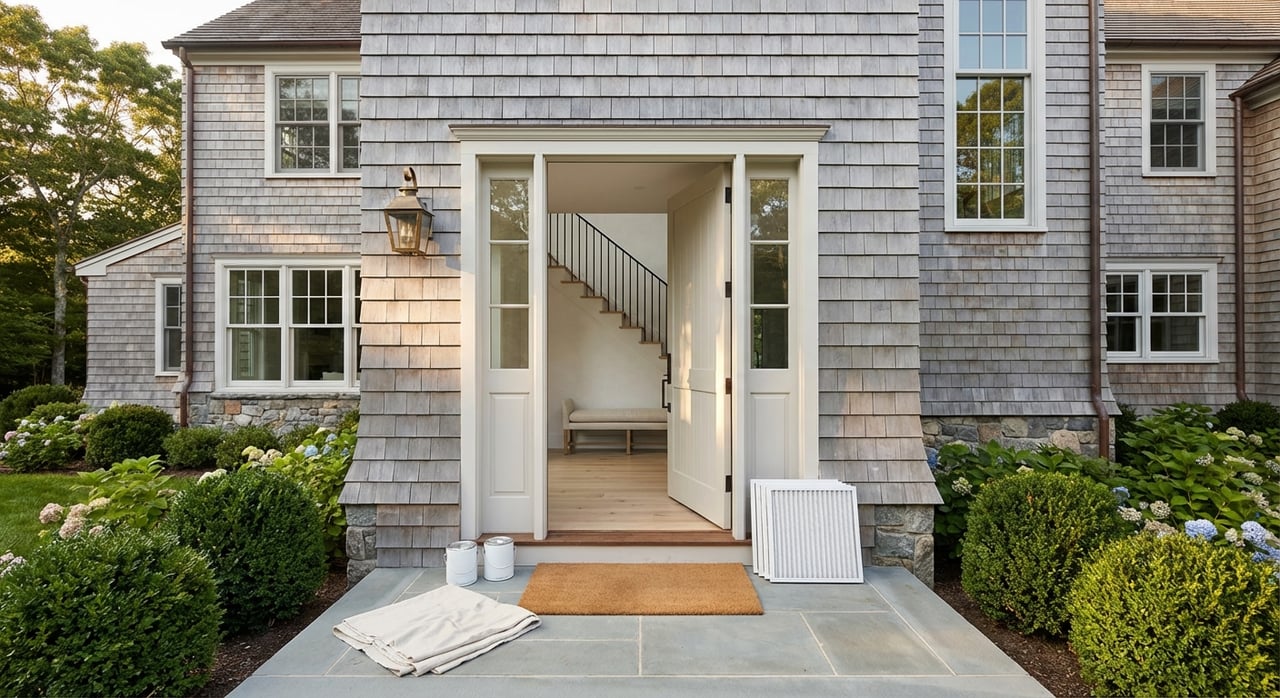
You only get one chance to make a powerful first impression with a Greens Farms estate. If you are planning to sell within the next year, the smartest move is to align your prep work with what today’s luxury buyer values most. This guide gives you a clear, step‑by‑step plan for inspections, targeted upgrades with strong ROI, timelines, and presentation so you can launch with confidence and protect value. Let’s dive in.
What today’s buyer expects
Luxury buyers in Westport’s Greens Farms want homes that feel move‑in ready, with polished indoor‑outdoor living and efficient systems. A recent national survey found that “move‑in ready” ranked as the top priority for many prospective buyers, which is key when you weigh repairs against larger renovations. You also benefit from commuter access via the Green’s Farms Metro‑North station, a draw for New York City buyers. Westport public schools are widely recognized in regional rankings, which remains a frequent consideration for many shoppers at this price point.
- Source on buyer priorities: national move‑in ready survey
- Station info: Green’s Farms Metro‑North
Greens Farms trades in the multi‑million‑dollar range. Use neighborhood comps to avoid over‑improving past the local ceiling and to focus on high‑impact updates.
First 30 days: plan and prep
Start by assembling a local team and gathering documents. This early work reduces friction later and helps you choose the right scope.
- Build your team: a listing agent with Westport luxury experience, a probate or estate attorney if heirs are involved, a CPA for tax questions, and a general contractor who understands Westport permitting. The town’s Building Department and the Historic District Commission oversee permits and exterior approvals. Review plans with them before you change anything outside. Visit the Westport Building Department page for contact and record resources.
- Gather records: tax and assessment history, as‑built plans, septic and well documents, oil tank records, system service logs, past inspections, and any certificates of occupancy. Having these ready shortens due diligence and builds buyer confidence.
Weeks 2–8: do smart diagnostics
Order seller‑procured inspections and targeted tests so you can plan repairs on your timeline, not under contract pressure. Seller inspections are widely recommended for large or complex homes because they reduce surprises and can even support marketing. See industry guidance on seller inspections.
Prioritize these checks:
- General home inspection, with a focus on roof, structure, electrical safety, HVAC, and moisture.
- Sewer scope where applicable; radon test; and targeted roof or structural engineer review if age or condition suggests it.
- Well and septic: the Connecticut Department of Public Health outlines what to test and when. Many buyers and lenders will ask for recent results. Follow CT DPH private well testing guidance and assemble septic pump‑out and service records.
- Oil tank history: verify closure or removal paperwork and any soil testing if there was a buried tank. The Westport Building Department maintains archives that can help confirm.
- Flood risk: Greens Farms includes parcels near Long Island Sound and tidal inlets. Westport has participated in FEMA map updates, so confirm your current panel and whether the property sits in a Special Flood Hazard Area. Start with the town’s floodplain and flood protection information.
Choose updates with ROI
Not every project returns value. Your goal is to deliver move‑in confidence and a beautiful first impression without overspending relative to neighborhood comps.
- Safety and systems first. Correct any inspection‑flagged hazards and address insurability items like aging electrical panels or failing HVAC. This takes away buyer leverage during negotiations.
- Exterior and curb appeal. Fresh paint or siding repairs, a clean driveway, tuned landscaping, and an upgraded front door can do more for your sale than a niche interior project. National Cost vs. Value research consistently ranks several exterior projects among the strongest percent return. Review Cost vs. Value findings when you set scope.
- Kitchen and bath refresh, not a full gut. Focus on paint, lighting, hardware, counters, and fixtures where appropriate. Minor and midrange updates typically recoup a higher share of cost than full luxury overhauls when the goal is resale.
- Energy and comfort. If systems are past useful life, consider replacements that have visible benefits and incentives, such as efficient boilers, AC, or hot water heaters, plus attic insulation.
Plan your timeline
Every estate is different. Here are two proven paths you can adapt.
6–12 week sprint to market
- Weeks 0–2: Team selection, records gathering, and seller inspection. Order well and septic tests if applicable.
- Weeks 2–6: Complete safety fixes and high‑impact exterior work. Start any permit filings right away.
- Weeks 4–8: Paint and cosmetic refresh; then stage and photograph. Prepare floor plans and a virtual tour.
- Weeks 8–12: Soft market to agents, calibrate pricing with feedback, then open to broader showings.
6–12 month runway
- Quarter 1: Diagnostics, oil tank documentation, flood panel verification, and budget bids for larger system work.
- Quarter 2: Execute system upgrades and exterior improvements, especially if historic or coastal approvals are needed. Westport’s Historic District Commission may require a Certificate of Appropriateness for visible exterior changes; plan for added lead time. See the Historic District Commission page for guidance.
- Quarter 3: Cosmetic refresh and landscape maturity period; line up staging.
- Quarter 4: Staging, photography, and a controlled launch aligned with peak buyer activity.
Nail the presentation
Staging and premium media help buyers experience scale and flow, which is essential in larger homes. Industry data shows staged homes sell faster and often for more, even in strong markets. Learn why presentation matters from this NAR staging overview.
- Stage the primary areas: foyer, formal rooms, kitchen, family room, and the primary suite. Create clear circulation and edit accessories to emphasize volume and light.
- Invest in professional photography, floor plans, and a high‑quality 3D tour. These assets extend your reach to out‑of‑area and NYC buyers and earn you more qualified showings.
- Make outdoor living feel intentional. Style terraces, the pool area, and any garden rooms with simple, season‑appropriate pieces.
Regulatory and legal watchpoints
- Historic review: If the property is within a Local Historic District or involves visible exterior changes, early consultation with the HDC avoids redesigns and delays. Allow several weeks for review.
- Flood and coastal requirements: Verify FEMA flood status and understand how it may affect insurance and disclosures. Buyers will ask.
- Lead and hazardous materials: Homes built before 1978 require lead‑paint disclosures, and any work that disturbs paint must follow EPA RRP practices. Get proper testing and use certified contractors where required. Review the EPA’s overview of lead‑safe requirements.
- Electrical and insurance: Certain older electrical panels and wiring types can trigger lender or insurer concerns. A pre‑listing electrical review reduces closing‑time surprises.
- Probate, title, and taxes: If heirs are selling, confirm probate needs and clear any liens early. Connecticut’s estate tax thresholds have changed in recent years, so coordinate with a probate attorney and CPA for current guidance before relying on any figure you find online.
Launch with control
When you are ready to list, the goal is a calm, scheduled rollout that highlights your estate’s best features.
- Price to the neighborhood’s top of market after your refresh, not beyond it. Use comps specific to Greens Farms and 06880.
- Offer complete documentation in the data room: pre‑listing inspection, well and septic results, oil tank paperwork, permits, and major system receipts. This reduces contingencies and boosts buyer confidence.
- Use controlled showing blocks with your agent. Collect and act on feedback in the first one to two weeks to fine‑tune presentation or pricing.
Quick prep checklist
- Assemble your team and review permitting paths with the Westport Building Department.
- Order a seller inspection and any specialty tests; follow CT DPH guidance if on a private well.
- Verify oil tank history and flood panel status; review floodplain information.
- Prioritize safety, insurability, curb appeal, and minor kitchen or bath refreshes. Use Cost vs. Value data to shape scope.
- If in a Local Historic District, speak with the Historic District Commission before exterior work.
- Stage key rooms and invest in professional photography and a 3D tour; see NAR staging insights.
- Prepare a polished launch plan with clear showing windows and a feedback loop.
Ready to position your Greens Farms estate for today’s buyer with a calm, concierge process? Request a private consultation with Kate Cacciatore to map your timeline, vendor plan, and premium launch.
FAQs
What do Greens Farms luxury buyers value most today?
- Many prioritize move‑in readiness, polished indoor‑outdoor living, and efficient systems, with commuter access a plus; a recent survey ranked “move‑in ready” as a top buyer priority.
Should I do a full custom kitchen before selling?
- Usually, no. Minor or midrange kitchen refreshes often return a higher percentage of cost than full luxury remodels aimed at resale; confirm scope against top local comps.
Which inspections should I order before listing a legacy estate?
- Start with a seller inspection, then add well and septic testing if applicable, radon, a sewer scope where relevant, and targeted roof or structural reviews.
How do I handle possible oil tank issues from an older system?
- Gather any permits, closure or removal records, and past soil test results. Westport’s Building Department archives can help verify history for buyers and lenders.
Do I need approvals for exterior changes in Greens Farms?
- If the property is within a Local Historic District or changes are visible from the street, consult Westport’s Historic District Commission early to confirm what is allowed.
Will flood maps affect my sale?
- Possibly. Parts of Greens Farms sit near coastal inlets, so verify your FEMA panel. Flood status can influence insurance, disclosures, and buyer expectations.
What staging and media matter most for a larger estate?
- Stage key entertaining spaces and the primary suite, then invest in professional photography, floor plans, and a high‑quality 3D tour to elevate reach and perceived value.